

























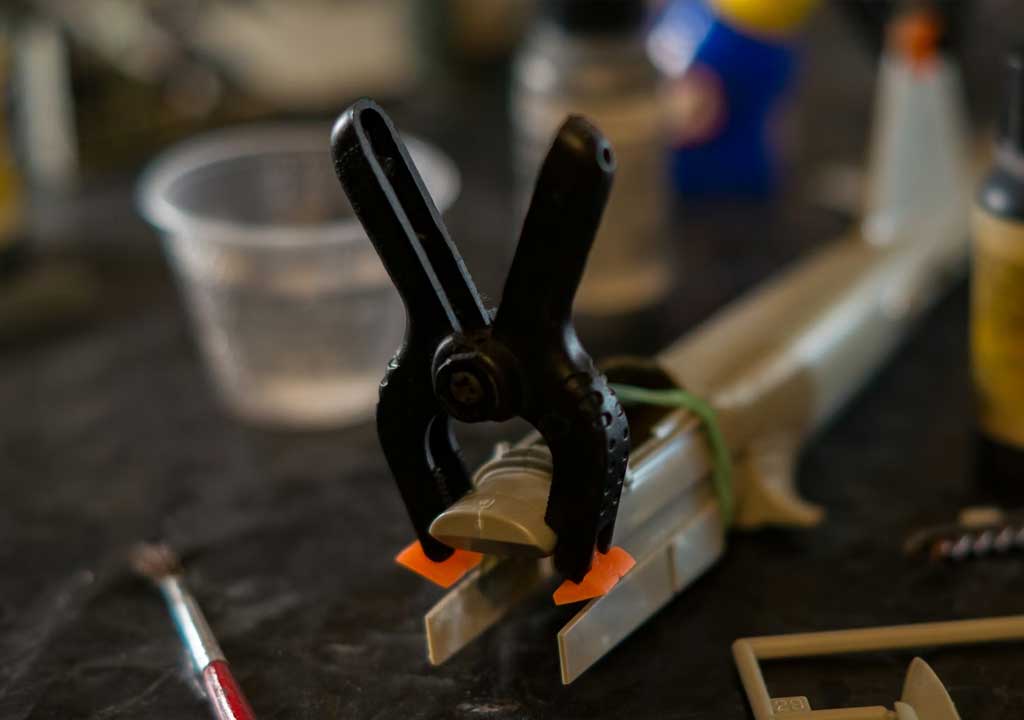


Airbrushing Essentials: Tools and Techniques for Scale Model Painting

Airbrushing Essentials: Tools and Techniques for Scale Model Painting
Airbrushing has become the go-to technique for scale model painters who want crisp lines, smooth gradients, and a professional finish. Whether you're building a 1:35 battlefield diorama, a 1:72 aircraft, or a 1:48 sci‑fi starship, the right tools and the right techniques can elevate your models from modular kits to convincing miniatures. This guide covers the essential gear, the core methods, and practical workflows that will help you get the most out of airbrushing-without overwhelming you with jargon or gimmicks. From choosing your first airbrush to mastering post-shading and weathering, you'll find actionable advice that can fit your budget and your goals.
The Airbrush: Types, Parts, and Getting Started
At the heart of airbrushing is, well, the airbrush. There are several configurations, each with its strengths and trade-offs. The main choice is between gravity-feed and siphon-feed designs. Gravity-feed airbrushes hold the paint cup on top, feeding paint downward into the atomizing chamber with gravity assisting the flow. They're typically easier to control for fine lines and detailed work and work well with thin, translucent paints. Siphon-feed airbrushes center the paint cup below the body; gravity does not help feed the paint, so you often need stronger pressure to push paint up into the nozzle. Siphon-feed models are common in hobby shops and can be excellent for larger coverage or when you're using thicker paints, though they can be a bit messier to manage for fine detail.
Most hobby airbrushes come in a broad range of nozzle sizes, typically from 0.15 mm to 0.5 mm. For scale modeling, a dual-action trigger is a must-have. Dual-action means you control both the amount of air and the paint flow with two separate actions on the trigger: pressing the trigger opens the air flow, and pulling back releases paint. This gives you precise control over line thickness and paint density, which is essential for gradients and fine lines. A 0.3 mm or 0.4 mm nozzle is a common sweet spot for general spraying on armor, aircraft, and figures; you'll find that smaller nozzles (0.2 mm) are favored for ultra-fine lines, while larger nozzles (0.5 mm) excel for broader coverage and metallic paints.
Beyond the nozzle, consider the entire package: a comfortable grip, a durable metal body, and easy access to the needle for cleaning. Look for an airbrush with a solvent‑resistant seal, a knurled knob or built‑in adjustment for easy tuning, and a replacement nozzle set that won't blow your budget. When you're starting out, you don't need the most expensive model; you need something reliable, easy to maintain, and compatible with the paints you plan to use.
Tip: Start with a gravity-feed model around 0.3-0.4 mm, paired with a reliable compressor and a basic moisture trap. As you gain experience, you can experiment with smaller nozzles for detail or larger ones for coverage. Practice with cheap paint and a couple of test surfaces before committing to a project.
Compressors, Regulators, and Air Quality
Your compressor is the source of the spray's breath, so its behavior heavily influences your results. A good hobby compressor should provide a steady, clean supply of air and maintain a constant pressure at your airbrush. You'll commonly encounter two types: piston compressors and diaphragm (or•silent") compressors. Piston compressors store air in a small tank and pulse as the motor starts and stops; diaphragm compressors often include moisture traps and more consistent delivery, sometimes with quieter operation. For beginners, a small, low-noise single-pan compressor with a regulator and a moisture trap is a safe bet. The regulator lets you set the working pressure from roughly 5 to 40 psi, depending on the paint and nozzle size.
Moisture control is essential. Water and paint thinners can condense inside the air line and cause droplets in your spray, which becomes visible as droplets or•fisheye" effects on the surface. A moisture trap and a small inline filter help keep the air clean. If you're spraying lacquer-based or enamel paints, you'll often spray at slightly higher pressures and with different thinners; water-based acrylics usually tolerate lower pressures and need more careful thinning to avoid dry spray and clogging.
Safety note: operate your compressor in a well-ventilated area. Even with low-odor acrylics, the fumes from solvents can accumulate. A dedicated spray booth, fan with outward airflow, or a balcony setup is better than spraying in a closed room. Use a respirator during long sessions and keep your workspace free of clutter and solvents when not in use.
Cleaning, Maintenance, and Storage
Maintaining your airbrush is not glamorous, but it is essential for consistent results. A well-cleaned airbrush sprays evenly, preserves nozzle life, and prevents paint from hardening inside the nozzle. Here's a practical routine you can adopt:
- Always flush the airbrush with water or a suitable thinner right after use, followed by a quick clean with a dedicated airbrush cleaner or mild detergent if you're using enamel or lacquer paints.
- Disassemble only as far as you're comfortable; do not force components. Rinse the needle, nozzle, and nozzle cap with cleaner, wipe dry, and reassemble correctly.
- Use a small pipe cleaner or soft brush to clear the internal passages after soaking, especially if you've sprayed metallics or pigments that tend to settle and dry.
- Store with a light coat of cleaner inside to prevent corrosion, and keep the needle cover on when not in use to prevent bending.
A dedicated cleaning station helps maintain organization and speed. Keep separate cups for thinning and cleaning, label your thinners, and have a trash can nearby for disposable wipes and tissues. Consider a small parts tray to keep tiny o-rings and needle caps from disappearing, especially if you're juggling multiple airbrushes and projects.
Surface Preparation: Primers, Surfaces, and Pre-Work
Airbrushing shines when the surface is properly prepared. Primer acts as a uniform foundationcoat that improves paint adhesion, improves color fidelity, and helps reveal surface imperfections so you can address them before the main color goes on. There are several primer types to consider:
- Primer spray cans: convenient for small projects and quick priming; great for beginners but less consistent for large surfaces.
- Aerosol primers designed for airbrush use: give you finer control for large models or when you want a thin, even coat.
- Airbrush primers: often acrylic-based and designed to be thinned, sprayed at low pressures for a super-smooth finish. They're especially popular for aircraft and modern armor.
Surface preparation also includes sanding, cleaning, and sometimes panel-lining or filling. A light sanding with fine-grit sandpaper removes mold release agents and reveals a smooth texture. For scale models, gloss surfaces often work best for decal applications; matte priming can be used for weathering and dulling the surface later. When in doubt, practice on a scrap piece of plastic to dial in your thinning ratios, spray distance, and air pressure before touching the actual model.
Thinning is critical. Acrylic paints are typically thinned with water or a dedicated acrylic thinner to ensure atomization and reduce brush marks, while enamel and lacquer paints require specific thinners. Start at a thin ratio (e.g., 1 part paint to 2 parts thinner) and adjust from there in small increments. The goal is a paint that flows smoothly through the nozzle in a consistent stream without pooling or drying in the nozzle mid-spray.
Paints and Thinners: Choosing Materials for Scale Models
Paints fall into several broad families, each with its own workflow and limitations. The most common for modelers are acrylics, enamels, and lacquers. Within these families, you'll find water-based and solvent-based options. Here are the basics:
- Acrylics (water-based): The most beginner-friendly. They dry quickly, clean up with water, and work well with a wide range of thinning ratios. They're forgiving for beginners, though some faster-drying varieties can produce a subtle•fingernail polish" effect if sprayed too thickly.
- Enamels (solvent-based): Known for durability and longer working times, which can be helpful for blending. They require enamel thinners and have a distinct odor; they often demand longer curing times and careful ventilation. They're excellent for some traditional military modeling and for dirty, weathered effects when finished with a clear coat.
- Lacquers (solvent-based): Highly durable and fast-drying, but often toxic and challenging to clean up. They can deliver deep color saturation and micro-shimmer metallics, but require proper ventilation and careful thinning. Some hobby lacquers are designed to be sprayed at low pressures with very fine atomization for detailed work.
The choice of thinner is as important as the paint itself. Acrylic thinners or distilled water (for thinner acrylic blends) are common for water-based paints. For enamels and lacquers, use the thinner recommended by the paint manufacturer to ensure proper chemical compatibility and optimum drying times. Always test a small amount on a test surface before applying to your model to check for compatibility, adhesion, and dotting or blooming issues.
Color consistency matters, too. Maintain a clean color path: avoid cross-contamination between colors by having separate cups or properly cleaning between colors. If you're working with metallics, consider a dedicated metallic base to avoid non-metallic pigments contaminating the finish.
Masking and Shields: Keeping Edges Clean
Masking is how you control color boundaries, protect surfaces, and create complex patterns. A typical masking setup includes painter's tape (low-tack for plastics to avoid damage), masking film, frisket sheets, and masking liquids or thinners. Here are practical tips:
- Use low-tack painter's tape for edges, then apply a second layer for more complex shapes. Avoid masking over freshly painted areas to prevent pulling up paint when removed.
- Mask in stages. For large camouflage patterns or multi-color schemes, mask after the base color has cured to avoid smearing and to keep crisp edges.
- Frisket film and frisket sheets are excellent for freehand cockpit or panel lines, stencils, or precise curves. They're easy to lift and replace and can be cut with a hobby knife or a vinyl cutter.
- Masking liquids can fill fine details but require patience to remove cleanly. They're best for sharp lines on larger areas where tape might be challenging to align.
With masking, the order often matters. Plan your color sequence and mask accordingly to minimize touching up after mask removal. For example, spray the lightest colors first and mask them, then move to mid-tones and finally to darker tones or camouflage layers. Keep your masking materials clean to avoid ghosting or residue in the final finish.
Techniques: From Pre-Shading to Post-Shading and Beyond
Airbrushing isn't just about spraying paint; it's about applying shade, tone, and texture in controlled layers. Here are core techniques that most modelers use to create depth, realism, and a convincing finish:
Pre-Shading
Pre-shading involves spraying a dark color (often black or dark gray) along panel lines, seam flushes, and other structural boundaries before applying the base color. When you later spray the base coat, the underlying shading subtly shows through at the panel lines and gaps, creating natural-looking depth without heavy hand-painting. It's especially powerful for armored vehicles and aircraft with pronounced panel lines. The trick is to spray the base color very thinly and from a slightly farther distance to ensure the pre-shade lines don't look like harsh outlines once the base color is applied. You can adjust the final appearance by altering the opacity of the base color and how much pigment remains visible through subsequent layers.
Post-Shading
Post-shading adds depth by applying darker or lighter tones after the base color has dried. For example, you might spray slightly darker tones into panel lines, recesses, or wheel wells to evoke natural shadows. You can control the effect by using a cross-hatching or dotting technique and then blending with light passes to soften the final transition. For modern armor and aircraft, post-shading can dramatically increase realism by simulating natural shade distribution without painting every detail by hand.
Panel Lining and Weathering
Panel lining uses fine lines of wash or low-contrast shades to emphasize the gaps between panels. This technique relies on the difference between the color of the paint and the surrounding shade to simulate dirt accumulation, oil streaks, and seam shadows. Weathering techniques-such as dry brushing, oil smearing, pigment powders, and chipping-help convey wear and tear. For chips and scratches, you can use a fine brush or a stylus to simulate metal showing through, then follow with a light wash to harmonize the effect.
Mottling, Stippling, and Texture
Mottling creates subtle texture patterns that mimic weathered surfaces, fabric, or camouflage. You can achieve mottling by spraying irregular, pale patches with low pressure and short bursts or by lightly dabbing with a sponge. Stippling uses a stiff brush or a dry sponge to create stipple patterns that replicate rough surfaces or worn finishes. Texture powders or pigments can add grit to tires, fuselage panels, or the undercarriage of vehicles, but apply sparingly and seal with a protective clear coat to avoid toppled pigments during handling.
Freehand Camouflage and Airbrush Stencil Work
Freehand camouflage patterns rely on your ability to lay crisp, irregular shapes with control. A light touch, steady hand, and practice surfaces are critical. Some modelers use a piece of flexible masking tape or a stencil to guide shapes; others prefer to paint the general shapes freehand and use masking for the edges. For complex patterns, work in layers, starting with larger shapes and then adding smaller details. The key is consistency of air pressure and thinning so that edges remain clean and colors transition smoothly rather than abruptly.
Metallics and Special Effects
Metallic and pearlescent paints can dramatically improve the look of engines, weapons, and infrastructure details. Metallic paints often require a higher level of thinning to avoid clogging and can look uneven if sprayed too close or with inconsistent pressure. For metallics, consider a satin or gloss base to optimize reflectivity. Some modelers prime with gray or black, then spray metallics in a couple of light passes to build up depth without visible graininess. Clear coats can further enhance metallic luster or provide a protective layer for weathering steps that follow.
Finishes: The Final Coat and Decals
Finish coats are the final step that protect your paint job and unify the overall look of the model. The general approach is: primer, base color, decals (if used), and then a gloss clear coat for decal application. After decals, you may apply weathering and then seal with a matte or satin finish to achieve the desired appearance.
- Gloss coats are ideal for decals, because they provide a smooth, reflective surface that helps decals settle and adhere without silvering or wrinkling.
- Satin or semi-gloss coats strike a balance between shine and realism, often used on vehicles and figures to mimic natural finish without an overly glossy look.
- Matte coats are common for final finishes on military models or weathered subjects, reducing glare and enhancing the appearance of weathering effects.
Apply finishes in thin, even coats and allow adequate drying time between layers. Several light coats are better than one heavy coat, as they minimize solvent crazing and surface imperfections. If you're unsure about the final finish, practice on a scrap piece first to compare sheen levels and ensure compatibility with your colors and decals.
Troubleshooting Common Issues
Even experienced modelers encounter issues. Here are common problems and practical fixes:
- Orange peel or texturing: Spray too close to the surface, too fast, or with a high viscosity paint. Thicken the solution slightly or back off the pressure and move the airbrush in longer, smoother strokes.
- Spitting or sputtering: Means the paint is breaking up as it's sprayed. Clean the needle and nozzle; check the thinner ratio; ensure the paint is well mixed and adequately thinned for sprayability.
- Clogging: Occurs with metallics, pigments, or old paint. Clean thoroughly; wipe the nozzle; consider using a dedicated color cup or filter for pigments that tend to settle.
- Paint pooling: If paint pools on a surface, reduce thinning slightly, increase spray distance, and apply multiple passes with lighter coats instead of one heavy coat.
- Bleeding under masking: Masking edges may lift paint if you remove tape before the topcoat cures. Allow sufficient cure time before masking or decaling, and ensure masking tape is properly seated.
Every modeler develops a personal problem-solving playbook. The key is to spray gradually, test often, and maintain a clean, well-ventilated environment that stays consistent from session to session.
Safety Considerations: Protecting Your Health
Airbrushing involves solvents, fumes, and fine particles. Protect yourself with a clean, well-ventilated workspace, a good respirator approved for organic vapors, and gloves to shield your hands from solvents. Store paints and thinners in tightly closed containers away from heat sources. If you're spraying lacquers or enamels, ensure you have a dedicated spray booth or an exhaust fan that directs fumes away from your breathing zone. Keep a fire extinguisher handy, follow the manufacturer's safety guidelines, and never mix different solvent types in the same room without proper ventilation.
A Practical Workflow: Getting Started with a Simple Project
For beginners who want to build confidence, a simple and repeatable workflow makes all the difference. Here's a practical, step-by-step sequence you can follow on a straightforward model, like a small military vehicle or an aircraft model without heavy camo patterns:
- Preparation - Clean the model parts, remove mold lines, and sand any rough surfaces. Apply a primer that's compatible with your paint choice; let it cure fully.
- Base color - Thin your color according to the paint manufacturer's guidelines. Spray a light, even base coat with smooth passes. Don't try to cover everything in one thick layer. Let it dry completely.
- Post-base shading - If you're applying post-shading, spray darker tones into panel lines or surface details after the base coat has dried, using light passes to avoid pooling.
- Masking or freehand detailing - Use masking for clean edges on areas that require precise borders; otherwise, paint small details or camouflage shapes freehand with careful control of pressure and distance.
- Decals and gloss coat - Apply decals after the base coat is fully cured. Once decals are set and sealed with a gloss coat, you can weather and finish as desired.
- Weathering - Use washes, dry brushing, chipping, and pigment powders to add wear and realism. Build weathering gradually, stepping back to evaluate how it looks from a distance.
- Final clear coats - Choose a finish that matches your vision (gloss for decals, satin for general use, matte for a weathered look). Apply multiple thin layers, allowing full cure between coats.
With practice, you'll internalize the rhythm of this workflow and adapt it to more complex subjects, such as camo patterns or extreme weathering. The goal is consistency: consistent thinning, consistent passes, and a consistent eye for how the model looks as a whole after each stage.
Advanced Tips and Common Pitfalls to Avoid
As you gain experience, you'll discover nuances that separate good airbrushing from great results. Here are some advanced tips to help you push beyond the basics:
- Keep a color progression plan. Decide in advance which colors will come before or after others and how you'll transition between them to maintain cohesion in the finish.
- Reserve a dedicated•practice" surface for color testing, masked edges, and opacity checks before applying to your main model. This reduces the risk of ruining a project for a small test mistake.
- Invest in a few spare needles, nozzles, and seals. The small costs of replacements are worth it when a worn needle causes inconsistent spray or is difficult to clean.
- Consider a secondary airbrush for specialized tasks, such as heavy coverage with a larger nozzle or true detail work with a smaller nozzle. Having two tools can save time and improve your control for different tasks.
- Develop a routine for color management. Keep a color swatch card or a digital color chart to know exactly what your mixed colors look like when dry, so you can reproduce or adjust colors later.
Remember, the beauty of airbrushing is not about chasing perfection in one session. It's about layering color and texture over time, refining your technique with every model you paint. Be patient, keep notes, and enjoy the learning curve.
Resources, Communities, and Next Steps
Whether you're just starting or looking to level up, there are abundant resources to help you. Here are a few categories to explore:
- Manufacturer resources - Airbrush brands often publish setup guides, thinning recommendations, and maintenance tips. Check the official sites for model-specific advice and recommended cleaning routines.
- Modeling communities - Online forums and social communities provide feedback, troubleshooting help, and shared tutorials. Engaging with others who paint similar subjects can be incredibly motivating.
- YouTube and tutorials - A wide range of video content demonstrates techniques in real time, from basic spraying to advanced weathering effects. Watching a process from start to finish can be invaluable for visual learners.
- Books and magazines - Many hobby magazines and books cover airbrushing technique, color theory, and finish strategies that translate across subjects and scales.
As you explore these resources, keep a simple goal in mind: build a repeatable process that delivers consistent results. Your future self will thank you for developing good habits early on and for documenting your progress. Remember to photograph your work with good lighting, note your thinning ratios and spray distances, and track what works for you and what doesn't. Over time, you'll find your own workflow that matches your subject matter, your equipment, and your painting style.
Conclusion: Why Airbrushing Opens New Possibilities
Airbrushing is more than a technique-it's a design language for scale models. It offers you control over color, texture, and finish in a way that hand brushing simply cannot. With the right tools, a thoughtful approach to surface preparation, and a calm, iterative workflow, you can achieve smooth gradients, crisp panel lines, realistic weathering, and cohesive overall finishes that bring models to life. The learning curve can be steep, but the payoff is substantial: your models will look more polished, more realistic, and more expressive. Start simple, practice consistently, and gradually add techniques to your repertoire. Before long, you'll be spraying with confidence and creating model masterpieces that reflect your own style and skill.
Final checklist for a successful airbrushing journey
To keep you organized as you begin or continue your airbrushing journey, here's a concise checklist you can print or reference while you work:
- Choose a reliable compressor with a regulator and moisture trap; ensure a quiet setup if you'll be spraying indoors.
- Select a versatile gravity-feed airbrush around 0.3-0.4 mm for general work; consider a smaller nozzle for fine details.
- Invest in a few thinning options (acrylic thinner, water, enamel thinner) appropriate for your paints; thin gradually and test on scrap plastic.
- Prep your surface with proper cleaning and primer; ensure a smooth base before color application.
- Mask with low-tack tape and frisket for sharp borders; plan color sequence to minimize touch-ups.
- Start with a light base coat; use pre-shading or post-shading strategically to add depth.
- Apply decals on a gloss surface; seal with a clear coat before weathering.
- Weather gradually with washes, dry brushing, pigments, and chipping; protect with a final topcoat that suits the subject.
- Document thinning ratios, spray distance, and pressure for future projects; keep a dedicated cleaning routine.
- Always work in a ventilated space and wear appropriate PPE; store solvents and paints securely.
With these essentials and practices in hand, you'll be well-equipped to tackle a broad range of scale-model painting challenges. Airbrushing is a journey as much as a technique, one that rewards curiosity, patience, and a steady hand. Happy spraying, and may your next model look sharper, smoother, and more convincing than ever before.
LIKED THIS ARTICLE? SHARE IT: