


































Weathering for Display: Subtle Techniques that Elevate Scale Models

Weathering for Display: Subtle Techniques that Elevate Scale Models
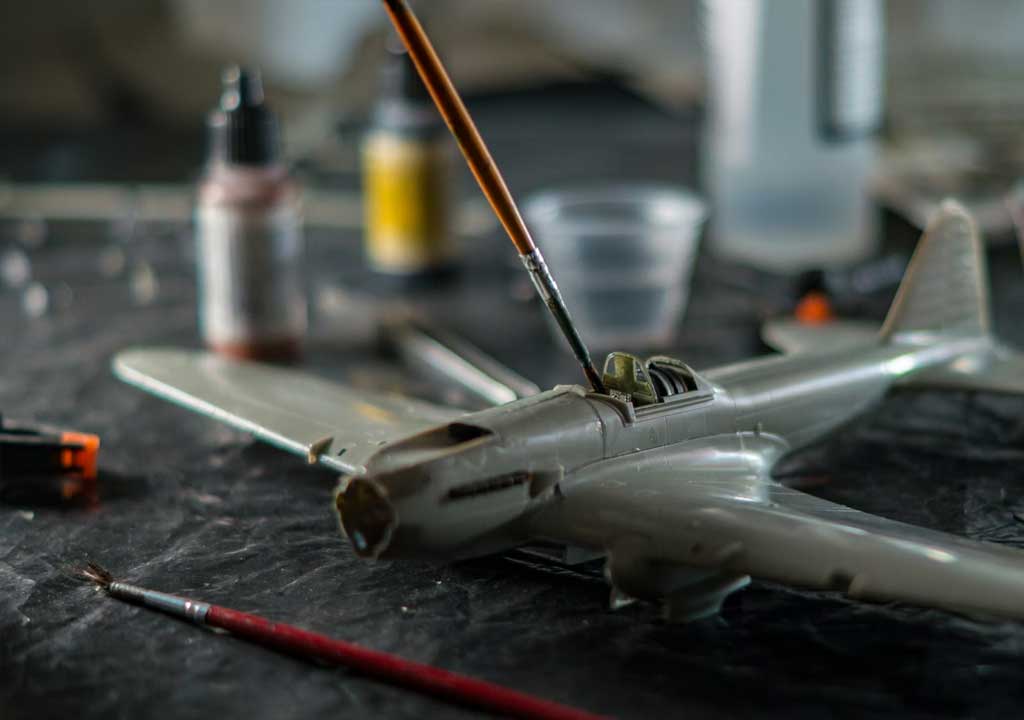
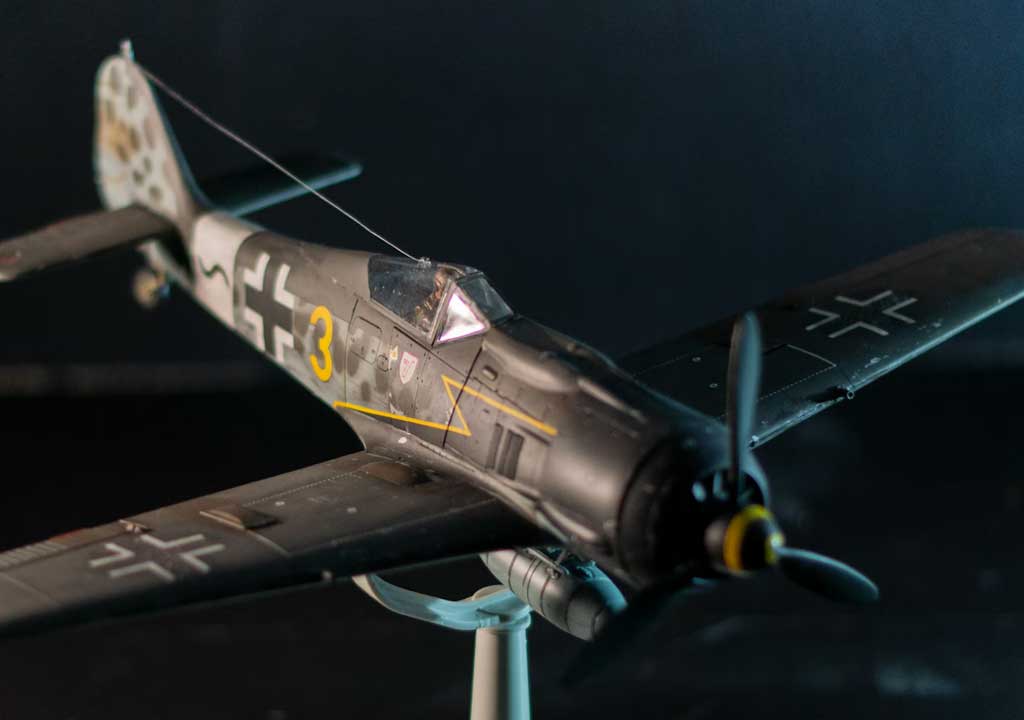
Weathering isn't just about making a model look worn. It's about telling a story with grit, texture, and nuance. When done well, subtle weathering can elevate a display model from a tidy replica to a convincing miniature that invites closer inspection. The goal for display is to capture realism without turning the model into a mud-splattered or battle-worn fantasy piece. It's about controlled, thoughtful interventions that enhance depth, highlight form, and guide the viewer's eye to the important details. In this guide, you'll find practical, lightweight techniques that emphasize restraint and purpose-perfect for dioramas, museum-style displays, and competition builds alike.
Weathering is a two-part discipline: understanding the surfaces you're modeling and mastering a handful of reliable tools and techniques. The best weathering reads as a natural consequence of time and use, not as a bold flourish. You'll be surprised how far you can push realism by thinking in terms of light, gravity, and material behavior. This article focuses on subtle methods that are approachable for most scales and subjects, from aircraft and cars to armor and maritime subjects. We'll discuss the philosophy behind subtle weathering, recommended tools, core techniques, material-specific considerations, and a simple six-step workflow you can apply to many projects.
Why Subtle Weathering Elevates Display
Display pieces rely on light, shadow, and surface texture to convey presence. Bold weathering can be dramatic and striking, but it risks shouting at the viewer or obscuring fine panel lines and crisp edges. Subtle weathering, by contrast, enhances depth and realism while keeping the model readable from a distance. A few well-placed pigments in a recessed panel seam, a whisper of exhaust soot along a fuselage, or a thin film of dust on the tread of a tire can anchor a piece in a believable world without overpowering its form. Subtle weathering also translates better across lighting setups-whether you're photographing in a studio with soft lights or presenting under gallery-quality illumination.
Another key idea is scale-aware application. Real vehicles and machines weather differently depending on their role, exposure, and maintenance cycles. A 1/72 fighter jet won't accumulate the same visible grit as a 1/32 taxiing truck, so the weathering should respect the scale. The goal is to create a convincing illusion-traceable, repeatable, and consistent with the surface texture and paint system you chose. This attention to scale and material behavior is what separates a convincing display model from an okay one.
The Right Mindset: Understanding Scale and Context
Before you pick up a brush, ask a few guiding questions: What is the subject's environment? What is the typical wear pattern for that type of vehicle or vessel? Is the finish glossy, satin, or matte, and what is the expected sheen under display lighting? Which details should remain crisp, and which should be softened? Answering these questions helps determine how aggressively you weather and where you place the emphasis. Remember: weathering should support your model's narrative, not overwhelm it.
Another practical mindset is to weather in layers. Even subtle effects build up when added in stages, allowing you to stop at the right moment. Start with a light base of controlled shading and washes, then add edge highlights, micro-chipping, dust, and streaks in measured steps. Stepping back frequently to evaluate the overall effect against the model's silhouette and the lighting will prevent over-application and maintain that delicate balance between realism and readability.
Tools and Materials: The Light Touch
Your choice of tools matters as much as your palette. For subtle, display-oriented weathering, you want control, finesse, and options to build up layers. Here are some essentials and how they contribute to a restrained workflow:
- Fine brushes in sizes 000 to 1 for precision work on small scales. A few high-quality synthetic or sable brushes can hold a sharp point for micro-chipping and precise lines.
- Soft-edged brushes (size 2-6) for dusting pigments, applying light washes, or dry brushing highlights without harsh edges.
- Weathering pigments and powders in neutral tones (slate, tan, gray) and weathering-specific colors (rust, soot, graphite, earth). Pigments let you recreate dust and grime in a soft, granular way that is easy to blend.
- Thin oil paints or enamel washes for controlled glazes and pin washes; these stay flexible on plastic and resist flaking when sealed.
- A selection of washes (pre-made or home-made) in darker tones that settle naturally into recesses and panel lines.
- Matte or satin clear coats to seal and balance sheen. The finish you select dramatically changes how weathering reads under light, so choose strategically.
- Masking materials, such as masking tape or masking fluid, to protect areas you don't want to weather and to create crisp, staged effects.
- Micro-chips and a weathering sponge or stippling tool for subtle texture enhancement without turning chips into potholes.
Of course, you don't need every product on the shelves. A focused subset that you're comfortable with-plus disciplined testing on scrap sheets or old kits-will serve you well. Always test on a paint or primer that matches your model's finish before committing to your subject.
Core Techniques for Subtle Weathering
Below are techniques that work well for display-focused weathering. They're designed to be layered, adjustable, and forgiving for beginners while still offering room for refinement as you gain experience. For each technique, start with a light touch and build up gradually. If something looks too strong, you can always wash it away or soften it with a clean brush dampened with thinner or a light clear coat.
Washes and Filter Effects
Washes are the backbone of depth. A wash pools in crevices, enhances panel lines, and creates a natural shadowing effect. For subtle display weathering, you'll want to use washes that are slightly lighter than harsh black. Gray, sepia, or brown-tinted washes can simulate grime that accumulates along joints when the vehicle sits in a humid environment or after rain. Apply a wash sparingly along recessed lines and behind grills, then wipe away the excess with a clean brush or cloth before it fully cures. The goal is to have the wash dissolve into the shade regions without turning the surface uniformly dark.
Filters are similar in concept but applied as multi-tonal glazes across larger surfaces. They help harmonize base colors, reduce brightness disparities, and introduce subtle color shifts that mirror weathered plastic and paint layers. One or two thin coats of a glaze across the model can unify highlights and shadows, creating a more cohesive display piece. Use neutral or slightly tinted filters to avoid upsetting the underlying paint color.
Dry Brushing and Edge Highlights
Dry brushing is a delicate way to emphasize edges and raised details without overpowering the finish. Load a nearly dry brush with a light color, then brush quickly across raised edges and corners to simulate wear along high-contact areas, such as wing tips, track edges, door handles, rivets, and panel seams. This technique enhances shape and readability while preserving the overall cleanliness of the surface. A soft touch is essential; you should see a hint of color catching the edge, not a full coat. For sub-surface texture such as metal or plastic, consider using a color slightly lighter than the base paint to create a believable highlight.
Chipping: Micro vs. Macro
Chip effects are among the most visible weathering cues, but in a display piece, less is more. Micro-chipping uses a very fine brush or a tiny sponge to create tiny flecks that imply wear without exposing raw substrate. Macro chipping-large, obvious chips-reads as heavy-handed unless the subject is a vehicle or environment that actively sustains that level of damage. For subtle results, limit chips to preferred high-traffic zones or areas where natural wear would occur (leading edges on wings, fenders near wheel wells, where gloves might rub). Use a color slightly darker or lighter than the base paint to create a realistic chipped edge, then soften with a light brush stroke to blend the chips into the surface.
Streaking, Grime, and Soiling
Streaking is about simulating gravity-driven grime without turning the model into a dirty mess. One effective method is to apply fine lines of paint or pigment along vertical or diagonal paths where rain and gravity would pull grime downward. Use a very thin brush with a diluted brown or gray wash, then pull downward with controlled strokes using a clean, damp brush or a cotton swab. For longer trains of streaks, work in small increments, allowing each layer to dry before adding another. Soiling isn't just about straight streaks; it includes patchy shadows under door sills, fender wells, exhaust outlets, and along the underside where dirt accumulates.
Keep the tone in line with your subject's environment. A modern, clean display plane should have only faint weathering, while a vintage or civil-defense vehicle might wear more noticeable grime in a restrained and believable fashion. The objective is texture and suggestion, not a car wash gone wrong.
Pigments and Weathering Powders
Pigments let you recreate subtle dust, soot, and mineral residues with a natural finish. They can be brushed (softly) into corners and along panel gaps or fixed with a light sealing coat to hold them in place. For a light, display-friendly look, start with a neutral dust shade and build up in multiple passes. Tap rather than brush to deposit pigment onto the surface to avoid an obvious painted-on look. Then fix the pigment with a matte seal or a very light mist of clear coat to lock it in without creating a glossy•wet" appearance.
Powder application can simulate road dust in tires and wheel wells, powdery residue around exhaust outlets, and subtle weathering on flat surfaces where a vehicle would accumulate grime over time. The key is to blend and diffuse the pigment so it doesn't appear as a separate layer; it should feel like a surface texture.
Neat Streaks with Oils and Glazes
Oil paint glazes and enamel washes are excellent for fine shading and deep tonal transitions. They're especially useful for subtle, controlled streaks near vents, seams, and fuel tanks. A tiny drop of oil paint thinned with medium can be brushed into narrow streaks that gradually fade and blend with the underlying color. Work slowly and wipe away excess before it cures. If you're aiming for a weathered, slightly worn look (like an aircraft that's seen frequent flight operations without heavy combat), this technique adds depth and life without overt drama.
Weathering for Different Surfaces
Different materials weather differently. Metal panels reflect light differently than plastic hulls, rubber tires wear differently than glass, and the presence of chrome or metallic pigments requires different handling to avoid simulating excessive corrosion. Here are quick considerations for common surfaces:
Metallic Surfaces and Runoff
On metal areas, subtle oxidation, oil runoff, and streaking along fasteners read well. Slight rust tones near joints or on exposed edges can imply exposure to rain and humidity. For polished metal highlights, use a gentle dry brushing with a near-silver color to lift edges, followed by a transparent glaze to unify the gleam with the underlying paint. If you're reproducing a brushed-metal texture, a light dry brushing in the direction of the grain can simulate wear marks without creating a uniform shine.
Tires, Rubber, and Wheel Wear
Tire sidewalls and treads accumulate dust, road grime, and oil residue. Very light dry brushing with a dark gray or brown along the tread grooves can emphasize texture without turning tires black. For modern rubber, avoid heavy black washes; instead, settle a thin, warm gray wash into the grooves and wipe off the surface to leave a muted, realistic tone. You can simulate road wear by adding a touch of lighter gray pigment at the contact footprint area and by applying a faint, almost pearly blue or purple sheen to indicate aged rubber.
Glass and Windows: Clarity with Character
Glass should read as clear with occasional weathering streaks. Use a very light, almost invisible wash along the window edges to simulate subtle moisture lines, especially around wipers and frames. Avoid opaque film; instead, aim for a tiny, scattered set of micro-scratches and grit that catches the light. If you're modeling a cockpit or vehicle with windshields, the most convincing effect is often a sharp, clean panel with optional light streaking near the wiper arcs. The final seal should be matte to satin to maintain a film-free look without reflective glare.
Putting It All Together: A Subtle Six-Step Workflow
To keep weathering predictable and repeatable, here is a compact six-step process you can apply to most display projects. You can adjust the order or intensity depending on scale, subject, and lighting. The aim is to create a cohesive, finished appearance without overdoing any single effect.
Step 1: Prep and protect. After priming and base coating, test your palette on a sacrificial panel or spare parts. Prepare the surface with a light, flat clear coat to reduce paint adhesion variability and to provide a consistent base for washes.
Step 2: Gentle shading. Apply a thin wash across recessed lines and panel gaps to deepen shadows. Wipe away excess with a soft brush, leaving a delicate portrait of light and shade. This is your foundation for depth and readability.
Step 3: Subtle edge work. Use dry brushing to highlight raised details and outer edges. Keep the effect restrained; you're aiming for definition, not a bright highlight.
Step 4: Localized texture. Introduce micro-chipping and minor grime in targeted areas like hinges, wheel wells, and vent outlets. Use a color slightly darker than the base color or a near-neutral pigment that blends well.
Step 5: Harmonizing glaze. Apply a translucent glaze or filter to unify tones and soften transitions between panels. This helps the weathering look integrated rather than applied on top.
Step 6: Finishing touches. Add dust and light streaks where they belong, then seal with a matte or satin clear coat. Step back and review the model under your display lighting. If something reads too strong, you can knock it back with a fresh coat of clear or a light wash, then re-seal.
Common Pitfalls and How to Avoid Them
Weathering is as much about what you don't do as what you do. Here are a few frequent missteps and practical ways to avoid them:
- Over-weathering. It's easy to get carried away. To avoid it, set personal•weathering limits" before you start and measure effects against a clean, unweathered reference. Stop when you can still read the underlying lines and shapes.
- Color mismatch. Subtle hues matter. If you're not sure about a color choice, test it on scrap plastic or an old kit. A glaze can harmonize multiple colors, but if it shifts the palette too much, back off.
- Inconsistent scale effects. Remember to consider scale: large effects may be suitable for big scales but look out of place at 1/72 or 1/144. Use lighter applications for smaller scales to preserve legibility.
- Too much texture in one area. A common mistake is applying pigment or chipping in every seam. Target a handful of zones that would naturally accumulate grime, and leave others smooth to emphasize contrast.
- Glossy finish after weathering. Unless the subject is meant to be polished (like a showroom model), ensure the final seal isn't overly glossy. A matte or satin coat helps weathering textures read correctly under most lighting.
Case Study: Subtle Weathering on a Modern Aircraft
Let's walk through a compact example you can apply to a modern 1/48 or 1/72 fighter or trainer. The aircraft is finished in a medium gray with light blue-gray accents and a satin finish to balance the highlights and the duller underside. The goal is a believable, display-ready look with just enough wear to tell a story.
Step 1: Base and prep. The model is primed in gray and painted with a smooth overall base color. A satin finish is chosen to maintain a slightly realistic sheen without glare.
Step 2: Subtle shadows. A diluted gray wash is brushed into panel lines, fasteners, and recessed areas. The wash is carefully wiped away on flat panels, leaving only a ghosted shadow that helps legibility.
Step 3: Edge emphasis. A light dry brush in a lighter gray highlights raised panel edges and sanding lines along the wing roots and fuselage. The goal is to sharpen the silhouette without adding a bright outline.
Step 4: Localized grime. A near-black or sepia-toned pigment is lightly brushed into the engine bay and exhaust outlets, then diffused outward with a clean brush. A small amount of pigment is also added to the wheel wells to suggest ground contact residue.
Step 5: Streaking and soot. Thin streaks are drawn from the exhausts and along wing joints using a very dilute brown wash, then gently pulled downward to emulate gravity-formed grime.
Step 6: Glaze and seal. A neutral glaze is applied to balance the color temperature across the fuselage, followed by a matte seal. The aircraft now reads as a well-used but properly maintained aircraft that looks at home on a display shelf rather than a museum bench.
Photography and Display Considerations
Weathering is intangible unless it reads well in pictures. Lighting, camera angle, and backdrop can dramatically affect how subtle textures appear. A few tips to ensure your efforts translate in photos or in person:
- Lighting. Soft, diffused light reduces harsh reflections and helps you see the weathering without glare. A light tent or a window with diffuse daylight is ideal.
- Angle. Shoot slightly above and to the side to reveal panel lines, edge highlights, and the texture of pigments. Slightly rotated angles can show the grain of the pigments better than a straight-on shot.
- Background. Use a neutral or gradient backdrop that doesn't compete with the model's color but provides enough contrast to make weathering pop.
-Resolution. High-resolution images help viewers see the subtle transitions in washes and chips. A macro lens or a high-detail setting on a modern camera or phone can capture the micro-textures that make weathering convincing.
Case Study: Subtle Weathering on a Classic Car
A 1/24 scale classic car presents an opportunity to explore subtle wear patterns common to road-driven vehicles: paint fade, micro-chipping around door handles, and light dust accumulation in wheel wells. The approach focuses on restrained color shifts and gentle edgework that convey a life on the road without appearing beat up.
Base coat: A crisp, period-appropriate color with a satin finish. The clear coat is intentionally not glossy to maintain a vintage look.
Shadow and depth: A grey-brown wash is painted into the panel seams and along the lower edges of the doors and rocker panels. The wash is wiped softly to preserve the chassis lines but create a soft shadow underneath.
Chipping and edge wear: Micro-chipping is applied sparingly at the door handles and along the lower quarter panels, with a color slightly darker than the base color. Chips are softened with a light brush stroke to blend into the surface.
Dust and weathering: A light dust effect is added to the wheel wells and the lower areas of the car. Pigments are brushed on and fixed with a flat clear coat to ensure they read as dry dust rather than wet grime.
Glaze: A final color glaze unifies the color balance across panels, reducing any clipped shadows and smoothing transitions.
Result: A display-friendly classic car that reads as well-maintained but not pristine, with enough texture to invite closer inspection.
Tips for Long-Term Display and Maintenance
Display pieces deserve durable weathering. Here are practical tips to preserve your work over time:
- Use a compatible clear coat. For most weathering, a matte or satin finish is best. A glossy seal can make subtle textures look flat and can emphasize grime in an unrealistic way.
- Seal in layers. If you're applying multiple layers of weathering, seal between steps if needed to prevent smearing or unwanted blending.
- Avoid solvent backwash. Some weathering products can react with clear coats. Do a test on a scrap piece or an old kit to confirm compatibility.
- Store in stable conditions. Temperature changes, humidity, and direct sunlight can affect pigments and glazes. Keep models in a climate-controlled display area to preserve the finish over time.
A Final Thought: Weathering as Storytelling
Weathering isn't primarily about making something look dirty. It's about simulating the passage of time, the environment, and the human touch that a subject endures. Subtle weathering provides a narrative thread that can guide a viewer's eye across the model-the slightly dulled panel line here, the soft weathering along a wheel well there, the clean cockpit glass standing in relief against a porous, dusty surface. When done with restraint, weathering enriches the display's storytelling and invites viewers to imagine the vehicle's life outside the display case.
As you practice, you'll learn to read your subjects and anticipate how they would age in their own world. You'll also discover that a few carefully placed touches can achieve more than a flurry of powerful effects. Weathering for display is about balance, patience, and an eye for the subtleties that transform a model into a convincing window into a moment in time. Practice with simple subjects, test your colors, and keep notes about what worked and what didn't. Before long you'll keep a personal toolkit of reliable moves-an instinct for subtlety that makes every piece you build feel more credible and more display-ready than ever before.
LIKED THIS ARTICLE? SHARE IT: