






























Weathering with Powders, Oils, and Pigments for Realistic Scale Models

Weathering with Powders, Oils, and Pigments for Realistic Scale Models
Weathering is the craft of telling a model's life story. It is where color, texture, light, and shadow converge to create the illusion that a tiny machine has lived a real life outside the display case. Among the many techniques available, powders, oils, and pigments offer some of the most expressive and versatile routes to realism. Used well, they can simulate dust gathering in nooks, grime tracking down a hull, slick oil leaks along a panel seam, or rust nibbling at exhaust ports in a way that looks convincing up close and reads correctly from a display stand.
Understanding the Tools: Powders, Oils, and Pigments
Before picking up a brush, it helps to understand what each category can do and how it behaves on different surfaces. This awareness keeps you from applying a product where it won't fulfill its role and helps you predict how a finish will respond to subsequent steps like sealing and decaling.
Powders and pigments are, at their core, finely milled color. They come in a wide range of hues and particle sizes. Weathering powders tend to be very lightfast, matte, and easy to build up in transparent layers. They excel at dust, soot, and chalky deposits on horizontal surfaces and in hidden corners where air has deposited grime over time. Pigments-often available as dry pigments or pigment powders-adhere to the model through a binder or fixer, giving a slightly more granular texture that reads as grit, dust, and soil when fixed in place. They're excellent for rust dust on wheels, dirt between panels, and the granular feel of tracked vehicles on muddy terrain.
Oils and oil paints, in contrast, bring a different kind of control and luminosity. Oil washes thin with solvent-based mediums create long, soft streaks along panels, rivets, and edges. They linger as translucent glazes and can be wiped away selectively to create delicate lines and gradients. Oil pigments (ground pigments suspended in oil mediums) can be layered to build up corroded or glazed effects with a slightly glossy or satin sheen depending on the varnish that follows. Oils do not dry as quickly as acrylics, which means you have time to blend, streak, and refine-but they also require patience and proper ventilation when solvent-based products are used.
When you combine powders, pigments, and oils, you gain a broader toolbox. Powders can lay down a uniform dust base; pigments can provide texture and localized color changes; oils can shape streaks, leaks, and treated surfaces with more nuance. The trick is to use each at the right moment, in the right amount, and with the right sealant to preserve the effect without turning it into a static, unnatural finish.
Preparing the Model: Surface, Paint, and Barrier
Weathering starts long before powders or oils touch the surface. A clean, well-prepared base is essential. The choice of topcoat before weathering strongly influences how subsequent products behave. In most cases you'll want a surface that is either gloss or satin to allow pigments and powders to cling first and then be sealed with a protective coat. A flat or satin finish is often used as the final protective layer, but there are times when a gloss base can be beneficial for specific oil techniques like producing reflective streaks that dissolve into the surface on the final seal.
Step one: base paint. Use high-quality model paints in the color you intend to weather. If you're trying to depict a vehicle that's spent time in the field, consider a slightly muted base color with a subtle glaze to bring out panel lines and rivets. Step two: surface preparation. Let the paint cure fully, then lightly rub high-contrast raised details with a very fine abrasive or polishing pad to knock down any gloss and create tooth for pigments to grip. Step three: barrier layers. Some modelers apply a thin gloss or satin clear coat before applying weathering powders to prevent pigments from soaking too deeply into the paint or primer. Others skip this barrier and work directly on the paint, especially if they want the pigment to adhere aggressively to texture and micro-scratches. The key is to experiment on a scrap piece or a test panel before committing to the main model.
Surface texture matters. Textured finishes-such as canvas, fabric, or rough metal-will hold powders differently from smooth, chromed surfaces. For very smooth plastics, a dulling or micro-sanding step can help powders anchor. For cast metals and heavily work-hardened surfaces, oils often behave differently, forming longer streaks and more pronounced leaks when applied on top of a glossy barrier. Tailor your preparation to the base material and the era or environment you're representing.
Weathering with Powders: Dust, Grime, and Subtle Texture
Powders are the workhorse for broad atmospheric effects. They're great for building up a base layer of dust, shading in panel lines, and adding the texture of wear that doesn't scream•paint change." The most important discipline with powders is to build gradually and maintain control. It is far easier to add a second thin layer than to remove a thick, opaque application.
Dust and light grime. Start with a light, neutral-gray or tan powder and gently dust the horizontal surfaces first-the engine deck, turret tops, fenders, and the upper surfaces of a vehicle that would collect dust from the air. Work with a very soft brush or a fingertip wrapped in a clean cloth. The idea is to settle the powder into the micro-creases and to create a diffuse halo of color along the top edges. A careful, circular motion often yields a natural accumulation pattern around raised details and rivets. After the initial layer, inspect the model from different angles to verify that no area looks unnaturally flat or grainy in isolation.
Deeper grime in crevices. Use a slightly darker powder (e.g., a muted brown or charcoal) to deepen the shadows and the shadowed sides of panels, vents, and toolboxes. You want to see a sense of depth in the recessed areas where dirt would naturally collect. Apply with a soft brush, letting the powder settle into crevices, then brush away the excess with a clean, dry brush, moving along the lines you want to emphasize. A light touch is essential-powders are easy to overdo if you press too hard or work too aggressively.
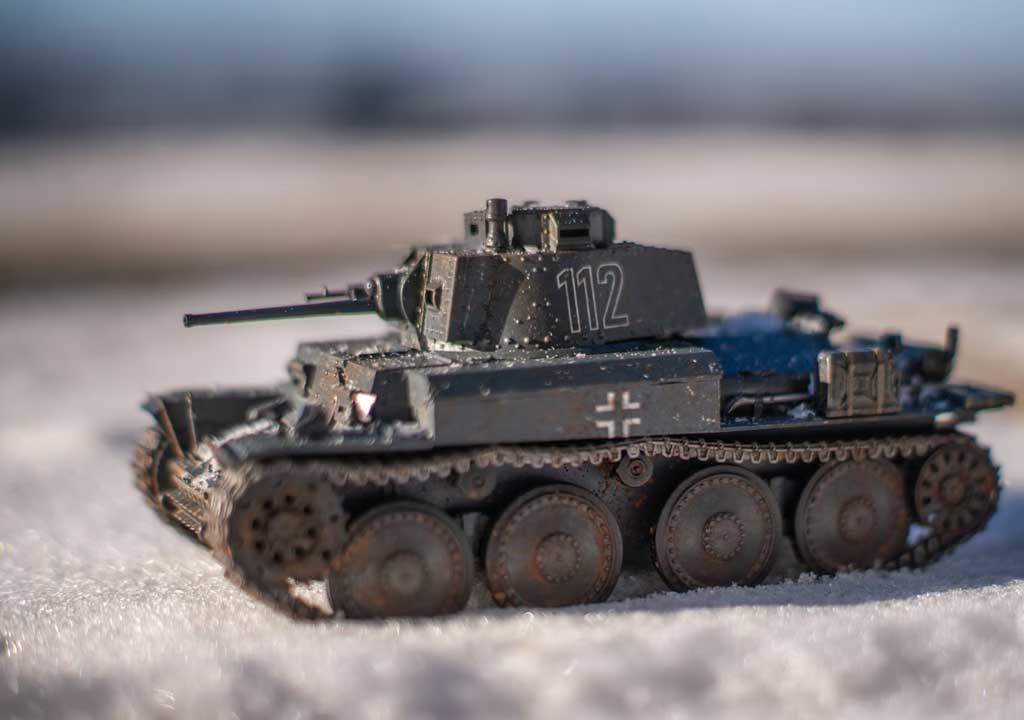
Directional dust and dry mud. Horizontal surfaces accumulate more sediment than vertical ones. To simulate this, apply a very light dust layer to the upper surfaces, and then selectively build up small patches of dust on lower surfaces-along the bottom edges, wheel wells, and the area behind track links. For impact of mud on a vehicle that's just driven through a muddy field, you can apply a slightly more saturated powder near the track runs and along the lower sides, then blend into the base surface as you move upward with a clean brush. The goal is to have the dust taper as it ascends, so the model reads as a real-world object that's experienced weather over time, not a static sculpture.
Dry•wet" effects. Some powders can be dampened slightly with a small amount of isolating agent or water to create a damp, clinging texture. This is useful for simulating wet mud that has dried into a crust, or for a subtle, captured haze along exhaust pipes. The technique requires patience: work in tiny patches, allow the area to dry, then adjust with additional layers if necessary. Sealing after this step is crucial to fix the texture in place and prevent powder migration during handling.
Weathering with Pigments: Rust, Dust, and Terrain Texture
Pigments offer a slightly different surface interaction than powders. They're excellent for depictions of rust, oxidation, and more granular grime. Pigments can be used with a binder or fixative to lock them in place, helping to preserve a textured surface and maintain a realistic microstructure on the finish.
Rust and corrosion. Earth tones-iron oxide reds, burnt siennas, and umbers-lean toward orange-brown hues that imitate corrosion. Apply pigment to areas where moisture would linger or where metal would be stressed-around exhaust outlets, panel seams, and along stress lines. You can also mix rust pigments with a small amount of oil or solvent to create a slightly molten or glossed rust effect. The key is to avoid a uniform coating; rust should look uneven, with patches that are more intense where water would pool and less intense on exposed planes that dry quickly.
Dust and soil texture. For a more tactile finish, use pigments to replicate compacted soil and dried mud around tracks and wheels. You can fix pigments with a matte clear coat or specialized pigment fixatives designed to hold particles in place without forming a hard shell. When blending pigments into a painted surface, you may need to build up edges where dirt trails would naturally emerge (for example, along panel lines near the wheel wells).
Earth tone valleys on armor. On armored vehicles, you might see accumulated grime in the valleys between armor plates, with dust collecting along the lower edges and inside recessed areas. A mix of brown, gray, and yellow-ochre pigments can recreate this layered effect, especially when brushed into place with a stippling motion to avoid a perfectly smooth layer.
Texture realism. Pigments are also effective for simulating concrete, stone, or dusty terrain on diorama bases. When applied to a base, you can use slightly different pigment families to separate the vehicle from the ground, which helps create a believable world. It's rare that a real surface is a single color; the pigment layering can emulate the mottling and weathered variation typical of wear and environmental exposure.
Weathering with Oils: Streaks, Leaks, and Subtle Glow
Oils are slow to dry and exceptionally forgiving, which makes them ideal for painting long, atmospheric streaks and smooth transitions. The classic oil weathering technique uses washes and streaking to create vertical and diagonal lines that resemble leaking lubricants, rain streaks, and weathered panel seams.
Oil washes. A wash is a highly diluted oil or enamel layer that settles into recessed lines and panel gaps. With a suitable solvent or drying oil, you apply the wash, let it settle, and then wipe away the excess with a clean cloth or cotton swab. The result is a soft shading that intensifies in the lines and gradually lightens outward, producing depth without harsh lines. The color choice for a wash should complement the base coat and the weathering you want to express. For instance, a cool gray wash can emphasize metal's grooves and rivets, while a brown wash can simulate accumulated grime.
Streaking with oils. For vertical streaks that mimic rain, fuel, or grime streaks along panels, use a brush loaded with a more opaque oil color, then draw straight or slightly curved lines downward. Immediately afterward, pull the line with a clean brush or cotton swab to create a soft gradient that fades outward. The key is the timing and the thinning; too thick a line will appear artificial. Practice on a test panel to gauge how quickly the pigment will blur and how much pressure to apply when pulling the line outward.
Chipping with enamel or oil-based paints. Oil-based chips mimic edge wear where a primer or base coat is exposed. Apply small flakes of paint along the edge, then lightly brush away the center of each chip while the paint is still soft. This creates a natural chipped edge rather than a solid coverage of color. Finish with a light glaze to blend the chips into the surrounding surface and to prevent the effect from looking like random spot paint.
Oil- and pigment-based filtering. A popular technique is to mix a touch of pigment into an oil glaze to tint panel edges and micro-corners with a subtle color shift-perhaps a blue-gray tone on a weathered steel surface or a yellow-ochre on a heated metal area. The glaze is applied in a thin layer and then blended with a light touch to avoid creating hard boundaries. This method gives a lifelike nuance that is hard to achieve with powders alone.
Layering, Blending, and Sealing: The Path to Realism
Weathering succeeds through layering. The first layer might be a broad dusting with powders, followed by pigment texture, then oil streaks. The final seal is what preserves the work and sets the overall appearance. Different topcoats produce different outcomes in terms of sheen, hardness, and resilience to handling. Matte finishes emphasize a gritty realism; satin or gloss seals can enhance the perception of damp or newly rain-slicked surfaces, depending on the light and viewer angle.
Choosing the right sealer. A non-yellowing varnish is essential for long-term display. Matte sprays reduce glare and blend the weathering into the underlying paint, while satin varnishes can preserve some gloss in specific areas like metal panels or wet-looking leaks. It's usually wise to test any sealer on a scrap model or a hidden panel to verify compatibility with paints, oils, and pigments before applying to the main model.
Layering strategy. A typical sequence might be: base coat; light dusting with powders; deeper grime with powders or pigments in sheltered areas; oil washes and streaks; chips and scratches with enamel or oil paints; final pigment fixative if used; and a final clear coat. Each step should be allowed to dry or cure before the next is added to prevent unintended mixing or blotting. The patience paid off with depth and believability that is consistent from different viewing angles.
Common Pitfalls and How to Fix Them
Weathering is as much about knowing what not to do as what to do. A few common missteps include overloading pigments, creating harsh color separations, and applying weathering to areas that wouldn't be exposed. Overly heavy weathering reads as an editor's note rather than a lived-in vehicle or scene. It's easier to add more weathering later than to remove heavy layers.
Fixes for heavy weathering. If the effect looks too strong, you can raise the contrast by adding a light wash (in a dampened color) to the entire surface, then dabbing away with a clean cloth. This can subdue the harsh lines and help blend the effect with the base color. Alternatively, repaint the affected area with the base coat and reapply gradually to reestablish the correct balance. A fresh topcoat will often blend the weathering more naturally, especially when it's applied with light misting rather than a single heavy spray.
Fixing unnatural boundaries. Harsh transitions between weathered and non-weathered areas are a telltale sign of over-treating. Rework by feathering the edges with a dry brush, or apply a light mist of clear coat to soften the transition line. If the edge remains too abrupt, consider adding a thin glaze over both areas to reblend them. Subtle color shifts along the boundary lines can also help the transition feel realistic.
Inconsistent light and perspective. Lighting changes how we perceive weathering. If a model looks washed out from one angle and heavily saturated from another, it might be due to an overly strong top coat or a misapplied glaze. Rebalance by applying a light overall glaze that moderates high-contrast areas or by introducing a mild dusting in the opposite direction to simulate how light affects surface texture at different angles.
Real-World Projects: Case Studies to Inspire
Case Study 1: A WWII Sherman tank. Start with a olive-drab base. After the paint cures, apply a light dusting of gray-brown powders on the turret top and upper hull to simulate desert dust carried by wind and rain. Add a darker powder into the running gear and track area to reproduce mud and track-sling. Use a wash of thinned burnt umber oil to create streaks along vertical seams and exhaust outlets. Finish with a satin varnish and a light dusting of rust pigments near the exhaust shield. The result reads as a vehicle that spent months in dusty, hot conditions with occasional mud that dried and cracked in the wheel wells.
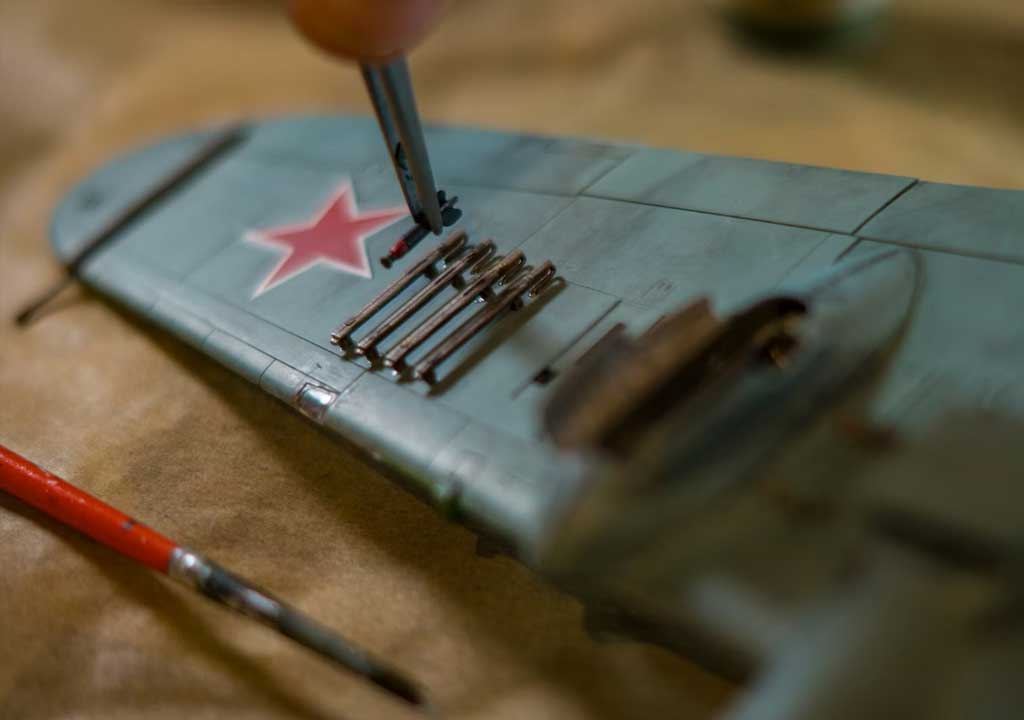
Case Study 2: A modern aviation model. For a modern fighter jet, you might emphasize exhaust soot and oil leaks around the engine bay. Apply a thin oil wash along panel seams and near access doors, then use a pigment-based dry brush to create a dusty, slightly grimy texture around the landing gear bays. Dust along the intake edges and top surfaces can suggest long flights through dusty climates. A final matte seal keeps the finish realistic and reduces glare in lighting setups used in photography or display lighting.
Case Study 3: A diorama scene with a truck in a rural setting. The truck can feature wet mud on tires and the lower panels, dry dirt on fenders, and a chalky dust on the roof and hood. Use powders to create a gradient from heavy dirt at the wheel wells to lighter dust along the upper panels. Integrate a few rust spots around metal fittings and hinges with pigments and a small dot of rust-colored enamel to simulate corrosion under rain exposure. A final matte varnish ties the weathering together and helps the figure and base read as a single scene.
Practical Tips for Getting Great Results
Practice on scrap parts. Weathering is as much about feel as it is about technique. A few practice panels let you calibrate powder density, oil flow, and pigment fixing before touching your prized build. Keep a small swatch of the model's color family to test color evolution as you apply washes and powders.
Use proper tools. Soft brushes of varying sizes, cotton swabs, microfiber cloths, and a gentle air blow can make a huge difference. A dedicated set of brushes for weathering-one for powders, one for oils, and one for pigments-helps prevent color cross-contamination and keeps effects clean and repeatable. Sponges, while tempting for texture, should be used with care to avoid imparting a weird pattern or over-aggressive texture on small parts.
Choose the right fixer. The fixative or binder you pick to lock pigments depends on whether you want a flat, dusty look or a more glossy, slick appearance for oils. Water-based fixatives can be easier to handle and safer in home environments, but solvent-based fixatives often provide stronger bonding. Always test compatibility with paints and with the type of surface you are weathering.
Planet-proof your workflow. If you are building for a gallery display, consider the long-term durability of your weathering. Some pigments are more prone to abrasion than others. Protect delicate chrome or reflective surfaces by masking them before applying weathering layers. Remember that the final topcoat is your last line of defense; choose a sealant that preserves the look you want and provides the appropriate protection against handling and dusting.
Conclusion: Tell a Convincing Weathering Story
Powders, oils, and pigments give you a robust set of tools to craft believable weathering that adds depth, texture, and narrative to scale models. By understanding how each product behaves on different surfaces and by layering techniques thoughtfully, you can coax a flat paint job into a living surface with history. The most powerful models come from careful observation-studying real vehicles, aircraft, and machinery in use and noting how grime, dust, rust, and leaks actually appear on different materials and under varied lighting. Then, translate that observation into controlled, repeatable techniques on your kit. Practice, test, and refine. Your models will not just look worn; they will look like they have lived through seasons of use, and that is what makes a scale model truly compelling.
Final Thoughts and Next Steps
If you're new to weathering, start small. Pick a single surface-perhaps a wheel rim or a panel edge-and apply a single technique: a light powder dusting, a careful oil streak, or a subtle pigment filter. Once you're comfortable with the effect, expand to other areas, then layer the techniques. Over time you'll develop a personal workflow that yields consistent, realistic results across different subjects and scales. And remember: the joy of weathering is in the subtle-one careful gradation, one precise streak, one tiny patch of rust can narrate a life's journey on a miniature world.
A Quick Glossary for Reference
Powders and pigments: Fine, dry color materials used to simulate dust, dirt, grime, and surface texture. Pigments often require a fixative and can be layered for added depth. Oils and oil paints: Slow-drying color mediums used for washes, streaks, and glazes that allow time for shaping and blending. Fixatives and sealers: Protective coatings that stabilize weathering work and determine the final finish's sheen. Layering: Building effects in successive steps to achieve depth and realism. Test panels: Scratch pieces or spare kits used to experiment with techniques before applying them to the main model.
Whether you're modeling a dusty desert vehicle, a rain-soaked naval ship, or a battered diorama subject, the combination of powders, oils, and pigments offers a rich language for storytelling at scale. With patience, practice, and a measured approach to layering, you can achieve weathering that reads as realistic, nuanced, and alive-without overwhelming the original paint job or sacrificing the model's silhouette. It's a craft that rewards observation and restraint as much as it rewards bold experimentation. May your next build carry the marks of weather and life in a way that is both convincing and artistically satisfying.
LIKED THIS ARTICLE? SHARE IT: